

Why invest in plant programs for thriving spaces
Many homeowners and businesses hesitate when considering plant care programs, viewing them as unnecessary expenses rather than strategic investments. Yet spaces with professionally maintained plants show measurably higher occupant satisfaction, improved air quality, and longer-lasting aesthetic appeal. This guide reveals why investing in structured plant programs transforms residential and commercial environments while delivering tangible returns. Whether you’re a homeowner seeking year-round beauty, an interior designer differentiating your projects, or a corporate decision-maker enhancing workplace culture, understanding plant program value helps you make informed choices that elevate your spaces.
Table of Contents
- Understanding The Benefits Of Plant Programs
- Comparing Plant Programs And Unmanaged Plant Care
- Customizing And Sustaining Plant Care Programs
- Applications And Advantages For Homeowners, Designers, And Businesses
- Explore Trendy Gardener’s Plant Program Solutions
- Frequently Asked Questions About Investing In Plant Programs
Key takeaways
| Point | Details |
|---|---|
| Health and aesthetics | Plant programs simultaneously improve air quality, reduce stress, and maintain vibrant interior design |
| Cost efficiency | Professional maintenance extends plant lifespan and reduces replacement expenses compared to DIY approaches |
| Biophilic benefits | Structured care sustains biophilic design effects that boost creativity, productivity, and wellbeing |
| Customization advantage | Tailored programs match specific environmental conditions, ensuring optimal plant health across diverse settings |
| Corporate value | Businesses gain improved employee satisfaction, enhanced brand image, and measurable productivity increases |
Understanding the benefits of plant programs
Investing in plant care programs supports biophilic design, boosting well-being and productivity through strategic integration of nature into built environments. Plants actively filter indoor air pollutants, removing toxins like formaldehyde and benzene while increasing oxygen levels. This environmental improvement directly impacts occupant health, reducing respiratory issues and creating fresher interior atmospheres.
Natural greenery provides psychological benefits that extend beyond aesthetics. Research consistently shows that exposure to plants reduces cortisol levels, lowers blood pressure, and enhances mental clarity. Workplaces with living plants report fewer sick days and higher employee engagement. Residential spaces gain tranquil atmospheres that promote relaxation and improved sleep quality.
Regular professional maintenance ensures plants remain healthy and visually striking. Trained specialists monitor growth patterns, adjust watering schedules, address pest issues before they escalate, and prune for optimal shape. This expertise prevents common problems like root rot, nutrient deficiencies, and leaf discoloration that plague DIY efforts. Your investment maintains its visual impact month after month.
Biophilic design principles demonstrate measurable advantages across settings. Offices incorporating plants see creativity increases, hospitals observe faster patient recovery, and retail environments experience longer customer dwell times. These effects compound when plants receive consistent expert care rather than sporadic attention. The difference between thriving greenery and struggling specimens directly correlates with maintenance quality.
Key environmental factors requiring professional attention include:
- Light exposure variations throughout seasons and building orientations
- Humidity fluctuations from HVAC systems and weather changes
- Soil composition adjustments for different species and growth stages
- Pest prevention strategies tailored to indoor conditions
- Fertilization timing that matches plant metabolic cycles
Pro Tip: Prioritize plant species suited for specific light and humidity conditions to maximize benefits. Matching plants to your environment reduces maintenance challenges and ensures long-term vitality.
The synergy between thoughtful plant selection and professional care creates spaces that feel intentionally designed rather than randomly decorated. This distinction matters to discerning homeowners and businesses seeking elevated interiors that reflect their values and attention to quality.
Comparing plant programs and unmanaged plant care
Professional plant programs deliver consistently superior results compared to DIY or neglected care approaches. Expert plant maintenance significantly improves foliage retention and reduces replacement costs through systematic monitoring and intervention. Trained specialists identify issues early, adjust care protocols seasonally, and apply treatments that preserve plant health.
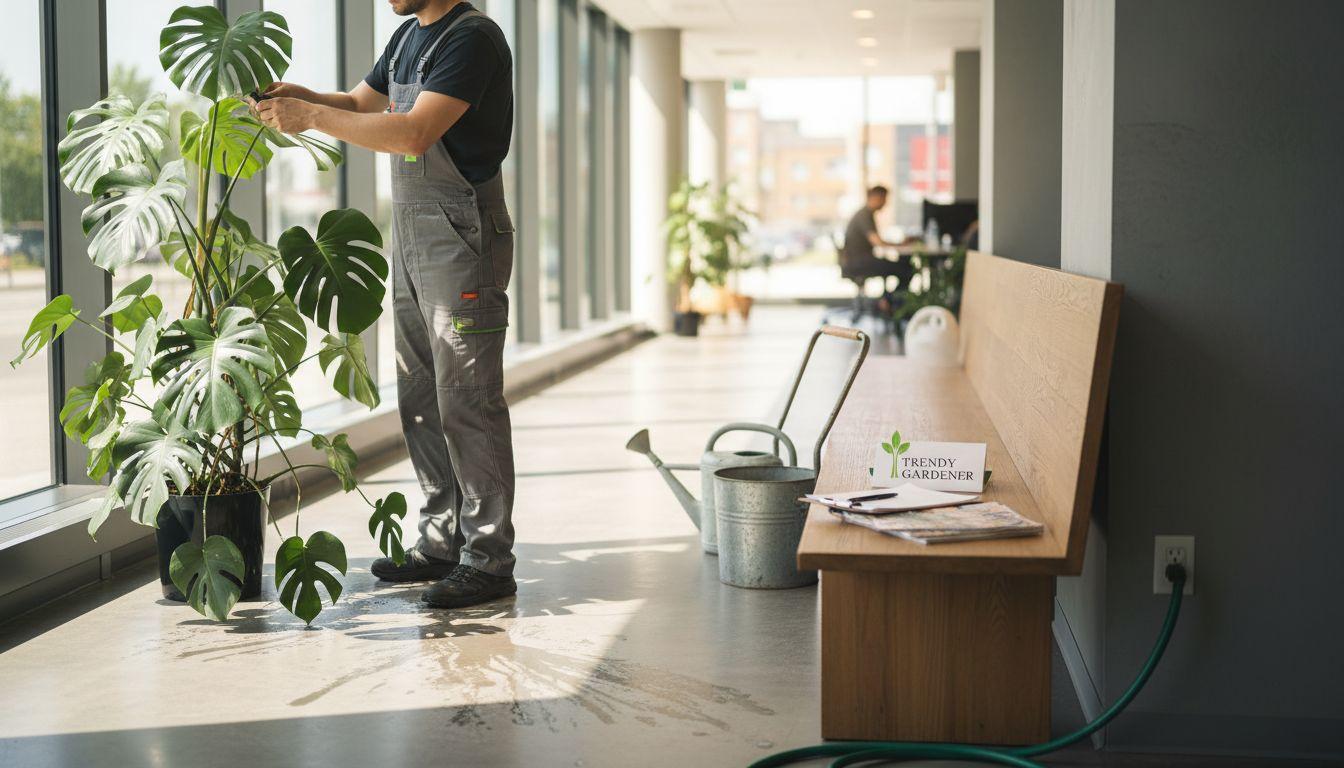
DIY care typically starts with enthusiasm but fades as schedules become hectic. Inconsistent watering, improper lighting placement, and delayed pest responses lead to gradual plant decline. Homeowners often replace struggling plants multiple times, accumulating costs that exceed professional service fees. The cycle repeats because underlying care knowledge gaps remain unaddressed.
| Aspect | Professional Program | Unmanaged DIY Care |
|---|---|---|
| Annual cost | $800 to $2400 for comprehensive service | $400 to $1200 in plants plus time investment |
| Plant survival rate | 85% to 95% retention after first year | 40% to 60% retention typical |
| Aesthetic consistency | Maintained vibrancy year round | Seasonal decline and patchy appearance |
| Time requirement | Minimal client involvement | 3 to 5 hours monthly per 10 plants |
| Problem resolution | Proactive identification and treatment | Reactive after visible damage occurs |
Managed programs customize care to environmental and seasonal conditions. Winter heating systems dry indoor air, requiring humidity adjustments. Summer sunlight intensifies, necessitating position changes or shade modifications. Spring growth spurts demand increased fertilization. Professional services track these variables systematically, while DIY caregivers often miss subtle shifts until plants show stress symptoms.
Pro Tip: Scheduling regular care avoids common pitfalls like overwatering or pest issues. Establish consistent inspection dates rather than watering on arbitrary schedules, as plant needs vary with temperature and growth phases.
The hidden costs of unmanaged care extend beyond plant replacement. Damaged furniture from water overflow, stained surfaces from improper drainage, and time spent researching solutions add up quickly. Professional services include protective measures, appropriate containers, and liability coverage that protects your property investment.
Businesses face additional considerations. Employee time spent on plant care diverts focus from core responsibilities. Inconsistent results create shabby appearances that undermine brand image. Visitors notice dying plants, forming negative impressions about organizational attention to detail. These perception costs outweigh service expenses when calculated honestly.
Understanding plant maintenance essentials helps clarify why professional programs deliver superior value. The expertise, tools, and systematic approaches professionals bring ensure your plant investment thrives rather than merely survives. This distinction transforms plants from decorative afterthoughts into integral design elements that enhance your space continuously.
Customizing and sustaining plant care programs
Tailored plant care programs optimize health by matching unique environmental requirements with species-specific maintenance protocols. Customization begins with thorough environmental assessment and clear goal definition, then progresses through structured implementation phases that ensure sustained success.
Implementing effective plant care programs follows these essential steps:
- Conduct comprehensive environment analysis measuring light levels, humidity ranges, temperature fluctuations, and airflow patterns throughout spaces
- Define client objectives including aesthetic preferences, budget parameters, maintenance involvement levels, and timeline expectations
- Select plant species matching environmental conditions while fulfilling design vision and practical constraints
- Develop detailed maintenance schedules specifying watering frequency, fertilization timing, pruning intervals, and inspection protocols
- Establish monitoring systems tracking plant health indicators, environmental changes, and care activity documentation
- Train designated staff or coordinate with professional providers ensuring consistent execution of maintenance workflows
- Review and adjust programs quarterly based on plant performance data and evolving space usage patterns
Proper workflows enhance interior plant lifespan and appearance for impeccable interiors through systematic attention to critical factors. These workflows account for seasonal variations, growth cycles, and environmental shifts that impact plant vitality.
Key customization factors determining program success include:
- Lighting availability varies by window orientation, building shading, and artificial source quality
- Humidity control depends on HVAC systems, occupancy levels, and seasonal weather patterns
- Space usage intensity affects plant placement, species selection, and maintenance access requirements
- Client involvement preferences range from hands-off delegation to collaborative care participation
- Budget allocation influences service frequency, plant quality tiers, and enhancement options
Maintaining these programs protects your investment and strengthens design impact over time. Plants mature into more impressive specimens when receiving consistent expert attention. Root systems develop properly, foliage density increases, and natural growth patterns create organic beauty that artificial decorations cannot replicate.
Sustainability extends beyond individual plant health to encompass entire biophilic design strategies. Coordinated care across multiple plants, living walls, and preserved moss installations creates cohesive environments where natural elements feel integrated rather than added. This holistic approach amplifies psychological benefits and aesthetic coherence.
The flexibility of customized programs accommodates changing needs. Seasonal décor rotations, office reconfigurations, or residential renovations receive seamless plant care adjustments. Professional providers adapt quickly, maintaining continuity even as spaces evolve. This adaptability proves especially valuable for businesses experiencing growth or homeowners refining their design vision over time.
Applications and advantages for homeowners, designers, and businesses
Homeowners investing in plant programs gain year-round beauty that elevates living spaces while increasing property appeal. Professionally maintained plants create magazine-worthy interiors that impress guests and provide daily enjoyment. Real estate professionals note that homes with thriving greenery photograph better and generate stronger buyer interest. The investment returns compound through enhanced livability and potential resale value.
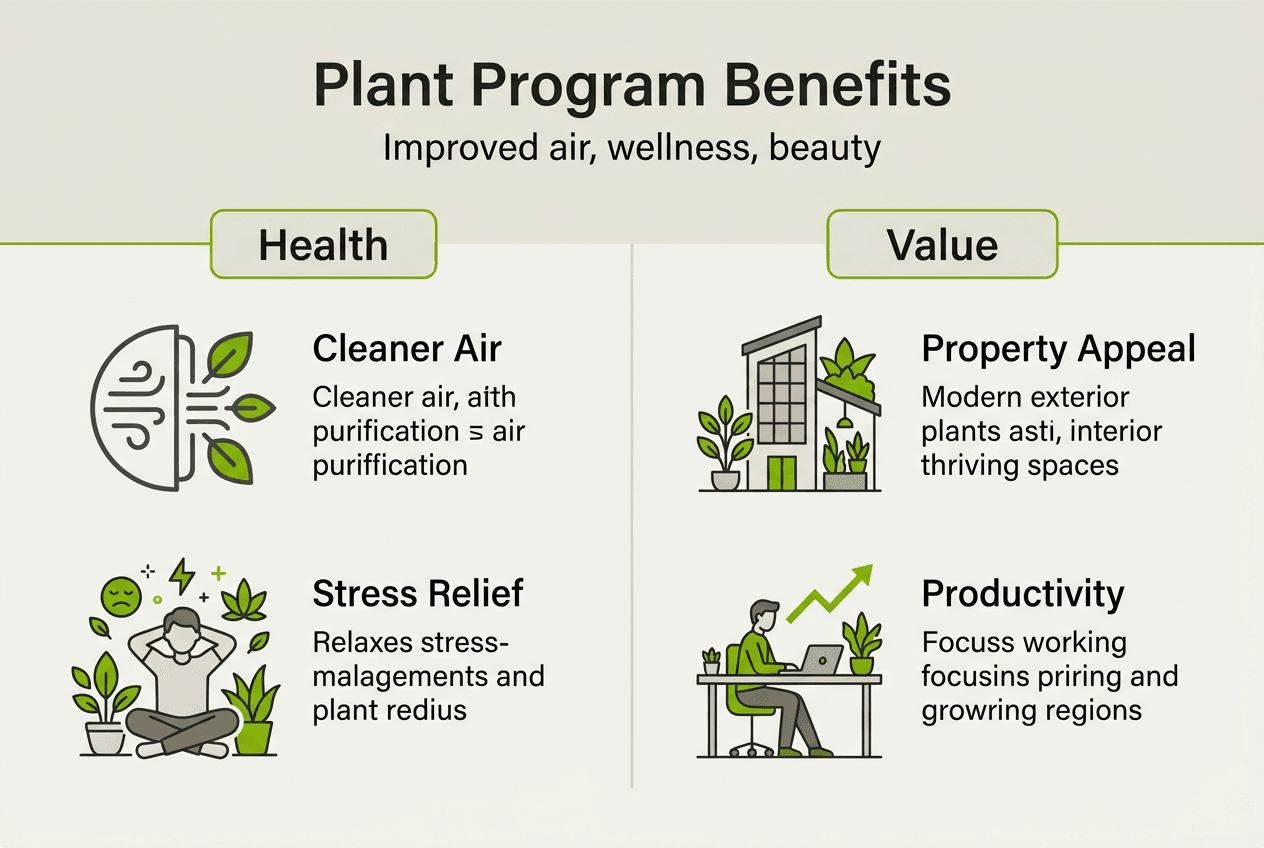
Interior designers differentiate their projects through sustained plant vitality that preserves design intent long after installation. Clients remember projects where plants remain lush months later, generating referrals and portfolio pieces that showcase enduring quality. Designers partnering with plant care providers offer comprehensive solutions that set them apart from competitors focusing solely on furniture and finishes.
Businesses benefit from measurable productivity increases and improved visitor impressions when implementing professional plant programs. Plant care programs improve tenant satisfaction and property aesthetics, positively affecting market value through enhanced workplace environments. Employees report greater job satisfaction in offices with natural elements. Customers perceive brands as more trustworthy and environmentally conscious.
| User Type | Aesthetic Impact | Wellbeing Effect | Cost Consideration | Satisfaction Gain |
|---|---|---|---|---|
| Homeowners | Elevated interior design consistency | Reduced stress, improved air quality | $600 to $1800 annually | 85% report enhanced daily enjoyment |
| Interior Designers | Portfolio differentiation, client retention | Professional reputation enhancement | Project add-on revenue stream | 90% see increased referrals |
| Corporate Offices | Brand image improvement, space appeal | Employee productivity up 12% to 18% | $1200 to $3600 annually per floor | 78% measure morale improvements |
| Retail Spaces | Customer dwell time increase | Positive shopping experience | $800 to $2400 annually | 65% observe sales lift |
Consistent plant investment enhances brand image and employee wellbeing in corporate spaces through visible commitment to quality environments. Forward-thinking companies recognize that workspace design directly impacts talent attraction and retention. Plants signal organizational values around health, sustainability, and employee experience.
Actionable tips for maximizing program return on investment:
- Homeowners should coordinate plant selections with existing décor colors and textures for cohesive aesthetics
- Designers benefit from establishing preferred plant care partnerships before project completion for seamless handoffs
- Businesses gain maximum impact by concentrating plants in high-traffic areas and employee gathering spaces
- All users should document baseline conditions and track improvements for data-driven program adjustments
- Consider seasonal rotations that refresh visual interest while maintaining core plant collections
Pro Tip: Coordinate plant program timelines with interior redesign phases for best results. Installing plants after construction dust settles and before final staging ensures optimal establishment and immediate visual impact.
The cumulative advantages across user types demonstrate why plant programs represent strategic investments rather than optional luxuries. Spaces that prioritize living elements through professional care consistently outperform those treating plants as disposable decorations. This distinction becomes increasingly apparent as sustainability and wellness priorities shape design expectations in 2026.
Explore Trendy Gardener’s plant program solutions
Trendy Gardener offers innovative living wall systems designed for seamless integration with ongoing maintenance programs that maximize plant health and visual impact. Our 24 pocket living wall system provides modular flexibility for residential and small commercial applications. The recirculating living wall system features automated watering that reduces maintenance complexity while ensuring consistent hydration. For larger installations, our 33 pocket free standing wall system creates dramatic focal points without permanent wall mounting.
These solutions integrate with comprehensive care plans that guarantee lush, thriving greenery year-round. Customers consistently report up to 90% plant retention rates when combining our systems with professional maintenance services. The modular designs accommodate species changes, seasonal rotations, and evolving aesthetic preferences without complete reinstallation. Automated features minimize manual intervention while sophisticated drainage prevents water damage to surrounding surfaces.
Pro Tip: Combining living walls with Trendy Gardener’s care plans guarantees lush, thriving greenery. The synergy between quality systems and expert maintenance delivers results that exceed expectations while simplifying your involvement.
Frequently asked questions about investing in plant programs
What is a plant care program, and who should invest?
A plant care program provides scheduled professional maintenance including watering, pruning, fertilization, pest management, and health monitoring for indoor plants. Homeowners seeking hassle-free beauty, interior designers maintaining project quality, and businesses enhancing workplace environments all benefit from these services.
How often should plant maintenance happen for best results?
Most spaces require weekly or biweekly visits depending on plant quantity, species requirements, and environmental conditions. High-traffic commercial areas may need weekly attention, while residential settings often thrive with biweekly care. Seasonal adjustments ensure plant maintenance essentials receive appropriate attention year-round.
Can plant programs be customized for different environments?
Absolutely. Professional plant care programs tailor species selection, watering schedules, and maintenance protocols to match specific lighting, humidity, and usage patterns. Customization ensures optimal plant health regardless of whether you’re managing a sun-drenched penthouse or a lower-light office space.
What are typical costs, and how do they compare to DIY care?
Professional programs typically range from $600 to $2400 annually for residential spaces and $1200 to $3600 for commercial settings, depending on plant quantity and service frequency. These costs often prove lower than DIY approaches when factoring in plant replacements, time investment, and hidden expenses from improper care. The superior results and convenience justify the investment for most clients.
How do plant programs support biophilic design goals?
Structured maintenance sustains the health and appearance of plants that form biophilic design foundations. Thriving greenery delivers consistent psychological benefits, air quality improvements, and aesthetic impact that struggling plants cannot provide. Professional care ensures your biophilic investment achieves intended wellness and productivity outcomes rather than becoming a maintenance burden that undermines design intent.
Recommended
- Role of Plants in Commercial Spaces: Real Impact
- Expert Guide to Plant Care Programs for Bespoke Spaces
- Commercial Plantscaping: Boosting Workplace Well-Being
- Ongoing Plant Care: Sustaining Biophilic Design Impact
- Projects - Solshine
- How to Support Green Coffee Initiatives for Real Impact – EcoVibe Roast