

Office plant trends 2026: Transform your workspace design
Many still think of office plants as simple desk accessories or lobby decoration. That view is outdated. Modern office plants drive measurable improvements in air quality, employee focus, and workspace aesthetics. The 2026 landscape brings bold innovations in biophilic design, from intelligent watering systems to modular living walls that adapt to any space. For office managers and design professionals in Iowa, understanding these trends means creating environments where people actually want to work. This guide walks you through the systems, species, and strategies reshaping corporate interiors right now.
Table of Contents
- Key takeaways
- Emerging plant design concepts for modern offices
- Top sustainable and low-maintenance plants for Iowa offices
- Leveraging technology and rental programs for efficient plant care
- Maximizing employee wellbeing and productivity with plants
- Enhance your office greenery with Trendy Gardener solutions
- FAQ
Key Takeaways
| Point | Details |
|---|---|
| Modular living walls | Living walls and modular pocket walls maximize greenery in small offices and scale with budget. |
| Smart irrigation systems | Intelligent watering and recirculating systems cut maintenance while keeping plants properly hydrated. |
| Low maintenance plants | Drought tolerant varieties like Snake plants, ZZ plants, and Pothos tolerate office light and require less care. |
| Plant rental programs | Plant rental programs offer flexibility to scale and refresh greenery without owning plants. |
Emerging plant design concepts for modern offices
Office plant design has evolved far beyond potted ferns on filing cabinets. Living wall systems and modular pocket walls lead the charge in 2026, transforming vertical surfaces into lush, breathing installations. These systems pack dozens of plants into compact footprints, making them ideal for Iowa offices with limited floor space. Modular designs allow you to start small and expand as budgets allow, creating dynamic green features that grow with your organization.
Free-standing and recirculating systems offer placement versatility that mounted walls cannot match. You can position them as room dividers, reception focal points, or collaborative zone backdrops. Recirculating models include built-in irrigation that cycles water through the entire system, reducing maintenance labor while ensuring consistent hydration. This matters in Iowa’s variable humidity, where manual watering often leads to inconsistent results.
Biophilic design principles emphasize natural patterns, organic textures, and varied plant heights to mimic outdoor environments. Incorporating trailing pothos alongside upright snake plants creates visual rhythm that flat, uniform arrangements lack. Layering different leaf shapes and colors adds depth, making spaces feel intentional rather than randomly planted. The impact plants have in commercial spaces extends beyond decoration to measurable improvements in air quality and acoustic dampening.
Key design elements gaining traction include:
- Asymmetrical arrangements that break rigid office geometry
- Mixed media installations combining plants with natural wood or stone
- Accent lighting that highlights foliage textures after hours
- Seasonal rotations that keep visual interest fresh throughout the year
Pro Tip: Position living walls near high-traffic areas like break rooms or main corridors. Employees interact with greenery more when it sits along their natural pathways, maximizing the wellbeing benefits you are investing in.
Top sustainable and low-maintenance plants for Iowa offices
Selecting the right species determines whether your office greenery thrives or becomes a maintenance burden. Sustainable plant choices and ease of maintenance top priority lists for 2026, especially in corporate settings where dedicated plant care staff are rare. Drought-tolerant varieties handle Iowa’s heated winter interiors without constant watering, while adaptable species tolerate the fluorescent lighting common in commercial buildings.
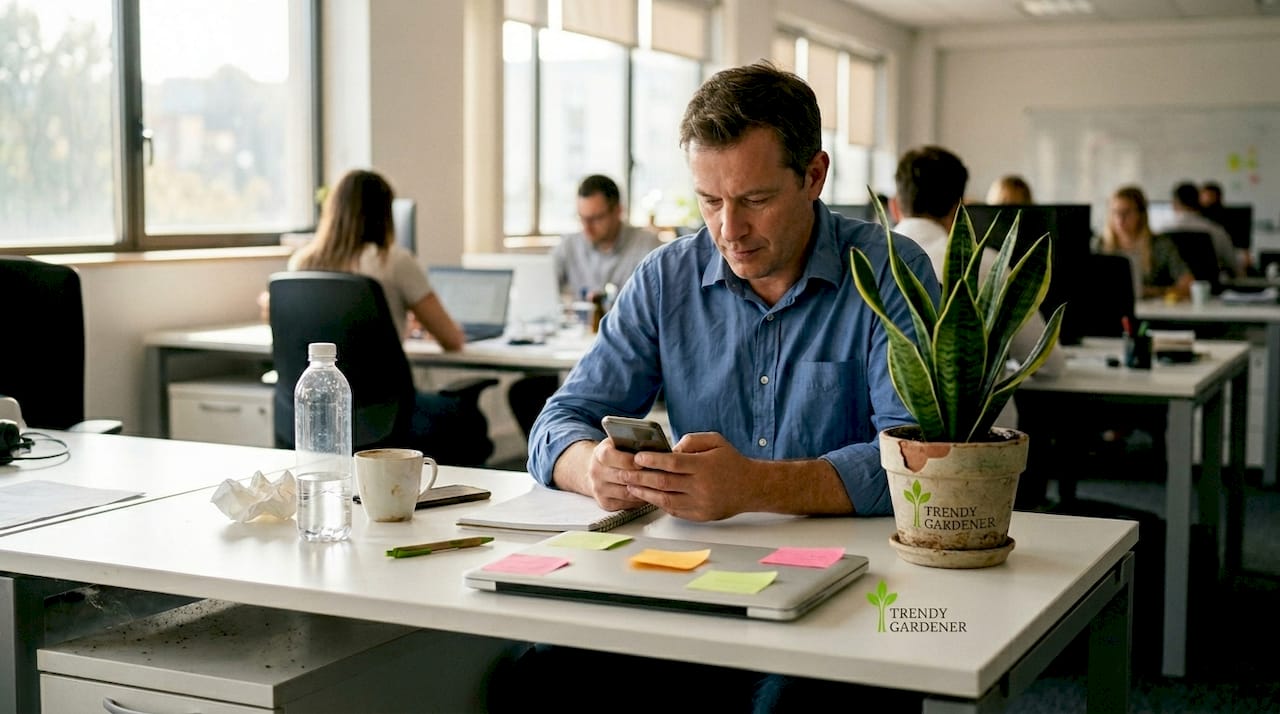
Snake plants (Sansevieria) rank as the ultimate low-maintenance office plant. They survive weeks without water, tolerate low light, and actively filter toxins like formaldehyde from indoor air. Their upright, architectural form fits modern office aesthetics without looking dated. ZZ plants (Zamioculcas zamiifolia) offer similar resilience with glossy, sculptural leaves that stay vibrant even under neglect. Both species propagate easily, letting you expand your plant program without purchasing new stock.
Pothos varieties bring versatility that rigid upright plants cannot match. Golden pothos and marble queen cultivars cascade beautifully from shelves or hanging planters, softening hard office edges. They root readily in water, making propagation simple for budget-conscious offices. Their tolerance for variable light conditions means you can place them almost anywhere, from sunny conference rooms to interior cubicles far from windows.
Other reliable choices for Iowa office conditions include:
- Dracaena species for vertical interest and air purification
- Cast iron plants (Aspidistra) that truly live up to their tough name
- Peace lilies for spaces with moderate light and higher humidity
- Spider plants that produce offshoots for easy expansion
Pro Tip: Match plant selection to your actual maintenance capacity, not your aspirations. Start with bulletproof species like snake plants and pothos. Once those thrive consistently, expand to more demanding varieties. Refer to an office plant care checklist to track watering schedules and seasonal needs. Review best indoor plants for offices to explore additional options suited to commercial environments.
Leveraging technology and rental programs for efficient plant care
Smart technology transforms office plant care from guesswork into data-driven precision. Wireless soil sensors monitor moisture levels, light exposure, and temperature in real time, sending alerts when conditions drift outside optimal ranges. This prevents the overwatering that kills more office plants than neglect. For Iowa offices managing multiple plant installations across different floors or buildings, centralized monitoring through a single app simplifies oversight dramatically.
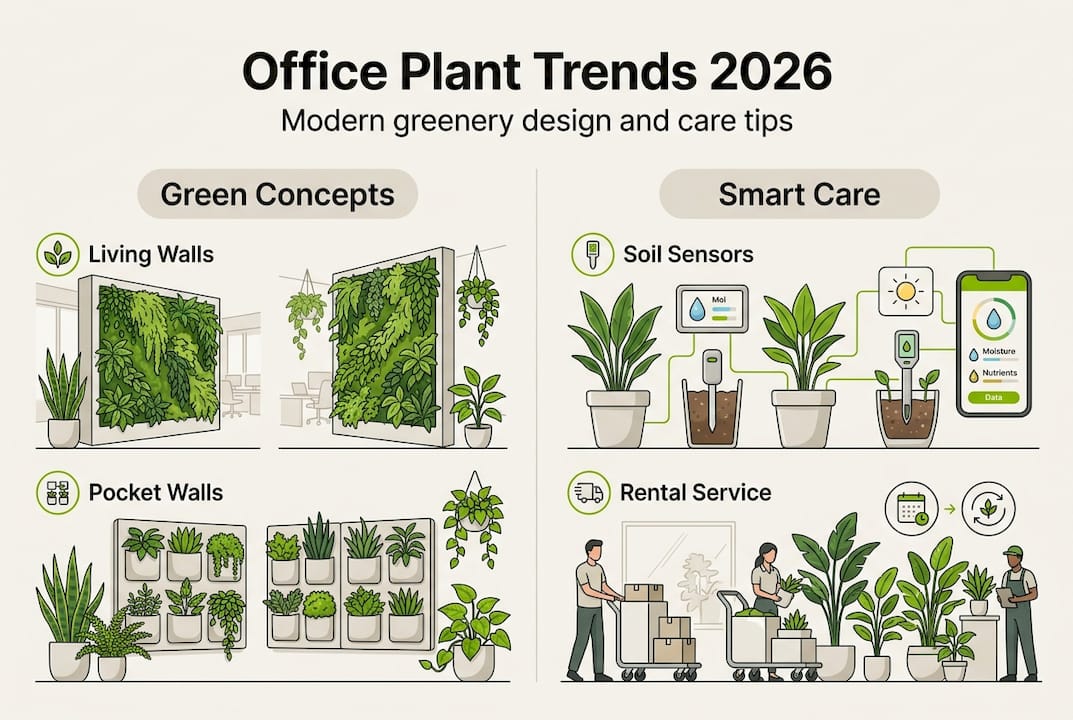
Automated watering systems take consistency further by delivering measured amounts on programmed schedules. Drip irrigation integrated into living walls ensures every plant receives appropriate hydration without manual intervention. Some advanced systems adjust watering based on sensor feedback, increasing frequency during dry winter months when heating systems lower humidity. This automation matters most for offices without dedicated facilities staff who can check plants daily.
Office plant rental programs offer a compelling alternative to ownership, especially for organizations testing biophilic design before major investment. Rental agreements typically include:
- Initial consultation and space assessment
- Custom plant selection based on light and maintenance capacity
- Professional installation of living walls or container systems
- Scheduled maintenance visits for watering, pruning, and replacement
- Seasonal rotations to keep displays fresh and healthy
Rental programs shift plant care responsibility to specialists who understand Iowa’s specific climate challenges. They replace struggling plants proactively, ensuring your office greenery always looks intentional rather than neglected. For small offices or those with limited budgets, rentals eliminate the upfront cost of purchasing mature plants and installation systems. You pay a predictable monthly fee instead of absorbing replacement costs when plants inevitably fail under inexperienced care.
| Technology | Primary Benefit | Best For |
|---|---|---|
| Soil moisture sensors | Prevents over and underwatering | Offices with inconsistent care schedules |
| Automated drip systems | Delivers precise hydration | Large installations like living walls |
| Growth lights with timers | Supplements natural light | Interior spaces far from windows |
| Plant rental programs | Professional maintenance included | Organizations testing biophilic design |
Pro Tip: Combine smart sensors with rental programs for maximum reliability. Even with professional maintenance visits, real-time monitoring catches issues between scheduled service calls. This hybrid approach works especially well for high-visibility installations in reception areas or executive suites. Explore indoor plant maintenance workflows to understand how technology integrates with human oversight.
Maximizing employee wellbeing and productivity with plants
The connection between office greenery and employee performance extends beyond aesthetic preference. Plants boost workspace wellbeing by 92% in Iowa offices that implement strategic biophilic design. This improvement stems from multiple factors working simultaneously. Plants filter volatile organic compounds from air, reducing headaches and respiratory irritation that sap focus. Their presence lowers cortisol levels, the stress hormone that impairs decision-making and creative thinking. Even brief visual contact with greenery during work helps reset attention, combating the mental fatigue that builds during long screen sessions.
Comparative studies reveal measurable productivity differences between planted and barren workspaces. Offices with visible greenery show 15% higher task completion rates and 6% faster problem-solving times compared to identical spaces without plants. Employees report feeling more satisfied with their work environment, which correlates with lower turnover and reduced sick days. The cognitive benefits appear strongest when plants occupy peripheral vision, providing subconscious connection to nature without becoming distracting focal points.
Air quality improvements from plants directly support brain function. Increased oxygen levels and reduced carbon dioxide concentrations enhance alertness and information processing. Species like snake plants and pothos actively remove benzene, formaldehyde, and trichloroethylene, common office air pollutants from furniture, carpets, and cleaning products. Cleaner air means fewer headaches, less drowsiness, and better overall health outcomes for your team.
Key wellbeing benefits include:
- Reduced stress and anxiety in high-pressure work environments
- Improved concentration during complex cognitive tasks
- Enhanced creativity and innovative thinking
- Better acoustic properties through sound absorption
- Increased employee satisfaction and workplace attachment
| Workspace Type | Employee Satisfaction | Productivity Gain | Sick Days Reduced |
|---|---|---|---|
| No plants | Baseline | Baseline | Baseline |
| Minimal plants (1-3 per room) | +12% | +8% | -5% |
| Moderate plants (living wall or 5+ containers) | +28% | +15% | -14% |
| Extensive biophilic design | +47% | +23% | -22% |
Strategic plant placement transforms offices from sterile boxes into environments where people genuinely want to spend their time. The investment pays for itself through retention and performance gains within the first year.
Pro Tip: Place larger plant installations near collaborative spaces like conference rooms and break areas. These zones benefit most from the stress-reducing and creativity-boosting effects of greenery. Individual workstations need only small plants within peripheral vision to gain focus benefits. Consult an office plant care guide to maintain optimal plant health for sustained wellbeing impact.
Enhance your office greenery with Trendy Gardener solutions
Implementing 2026 office plant trends requires systems designed for commercial durability and professional aesthetics. Trendy Gardener delivers turnkey solutions that bring biophilic design concepts into practical reality for Iowa offices.
Our 24 pocket wall mounted living wall system transforms blank walls into vertical gardens without sacrificing valuable floor space. The modular design scales from small accent walls to full lobby installations, adapting to your budget and vision. For offices needing built-in irrigation, the recirculating living wall system automates watering while creating stunning focal points that require minimal maintenance. When permanent installation is not feasible, our 33 pocket free standing living wall system offers mobility and flexibility, functioning as room dividers or movable accent pieces.
Beyond products, Trendy Gardener provides comprehensive plant leasing and maintenance programs tailored to corporate schedules. Our team handles everything from initial consultation through ongoing care, ensuring your investment delivers consistent visual impact and wellbeing benefits. Whether you are refreshing a single conference room or redesigning an entire office floor, we bring the expertise Iowa businesses need to execute biophilic design that actually works.
FAQ
What are the best plants for low-light offices in Iowa?
Snake plants and ZZ plants excel in low-light conditions while requiring minimal watering, making them ideal for Iowa offices with limited natural light. Pothos varieties also adapt well to fluorescent lighting and tolerate irregular care schedules. These species maintain healthy appearance even in interior spaces far from windows, ensuring your investment looks intentional rather than struggling.
How can smart technology improve office plant maintenance?
Smart soil sensors track moisture levels, light exposure, and temperature in real time, sending alerts when plants need attention. Automated watering systems deliver precise amounts on programmed schedules, preventing the overwatering that kills most office plants. This technology is especially valuable for Iowa offices managing multiple plant installations across different floors or buildings, where manual monitoring becomes impractical.
Are plant rental programs cost-effective for small offices?
Rental programs eliminate upfront costs for mature plants and installation systems while including professional maintenance in monthly fees. This makes biophilic design accessible for small offices testing greenery benefits before major investment. Rental agreements typically cover plant replacement when specimens decline, ensuring consistent aesthetics without absorbing failure costs that burden inexperienced plant owners.
How do living walls compare to traditional potted plants?
Living walls maximize greenery in minimal floor space, making them ideal for offices with limited square footage. They create dramatic visual impact that individual pots cannot match while often including integrated irrigation for easier maintenance. Traditional potted plants offer more flexibility in placement and lower initial investment, working better for offices wanting gradual plant program expansion.
What maintenance frequency do office plants typically require?
Low-maintenance species like snake plants and ZZ plants need watering only every 2-3 weeks, with monthly fertilizing during growing seasons. More demanding varieties require weekly attention, making them suitable only for offices with dedicated plant care staff. Professional maintenance programs typically visit biweekly to monthly depending on plant types and installation complexity, handling watering, pruning, and health assessments.
Recommended
- 6 Essential Office Plantscaping Tips 2026 for Workspaces
- Top 8 Office Plant Rental Programs in 2026 for Enhanced Workspace Aest
- Office Plant Care Guide for Healthy and Lively Workspaces
- Plants Boost Workspace Wellbeing 92%: Iowa Office Guide 2026
- Lighting trends 2026: innovative solutions for architect homes